
Atomy’s 2025 Consumer and ESG Awards Sweep: A Blueprint for Sustainable Business Success
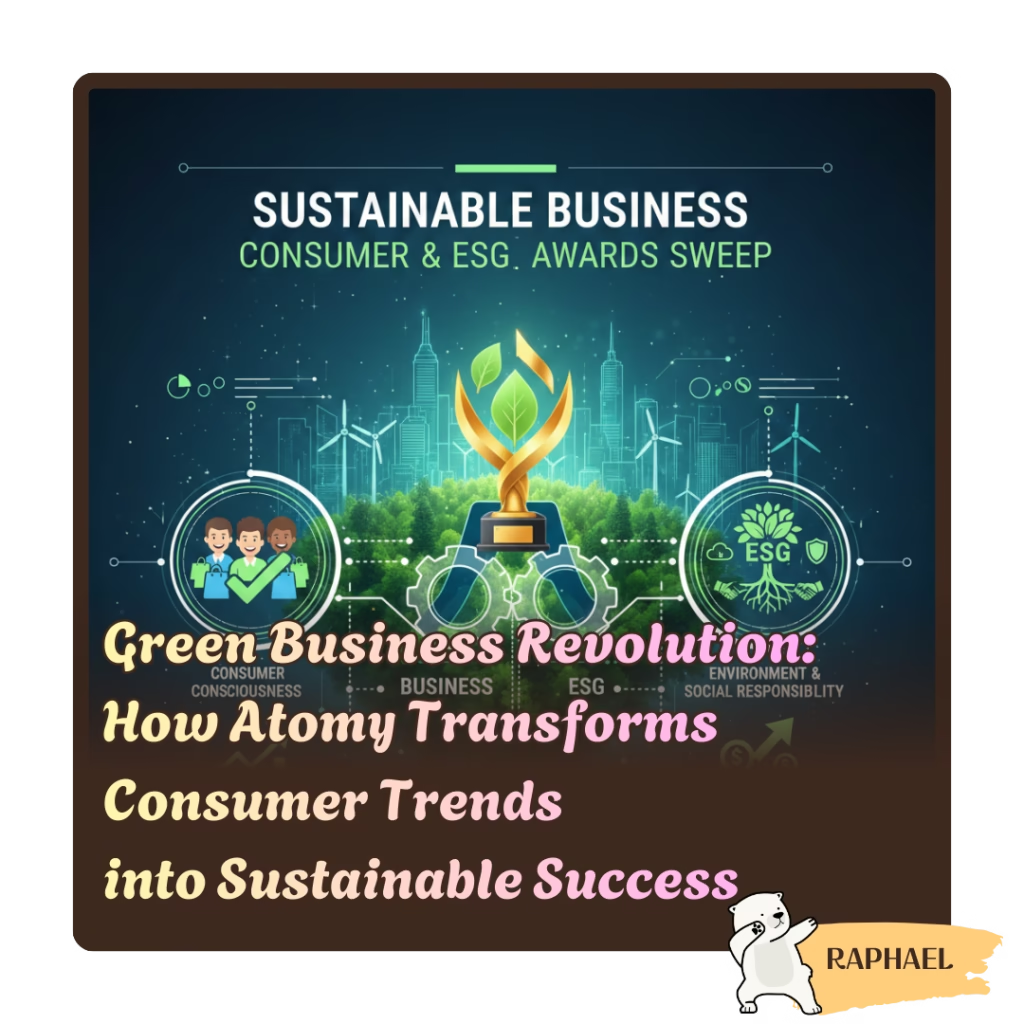
The year 2025 has witnessed an unprecedented convergence of consumer consciousness and corporate responsibility, with companies increasingly recognizing that sustainable business practices are no longer optional but essential for long-term success. Atomy’s remarkable achievement in sweeping both consumer and ESG awards demonstrates how authentic commitment to sustainability can drive exceptional business performance. This success story illuminates the evolving landscape where consumer trends align perfectly with environmental stewardship and ethical business practices.
Table of Contents
Recent market insights reveal a fundamental shift in consumer behavior, where purchasing decisions are increasingly influenced by a company’s environmental and social impact. According to Nielsen’s 2024 Global ESG Report, 83% of Korean consumers are willing to pay premium prices for products from companies with strong ESG practices, representing a 12% increase from 2023. This dramatic change reflects growing awareness among consumers who view their purchasing power as a tool for positive change, demanding transparency and accountability from the brands they support.
The transformation extends beyond mere consumer preferences to encompass comprehensive business ethics that permeate every aspect of corporate operations. Companies that embrace this holistic approach to corporate responsibility are discovering that sustainable practices not only enhance brand reputation but also create substantial competitive advantages in an increasingly conscious marketplace.
The Evolution of Consumer Consciousness in 2025
The modern consumer landscape has undergone a profound transformation, with sustainability becoming the primary driver of purchasing decisions across all demographic segments. This shift represents more than a temporary trend; it signifies a fundamental realignment of values that prioritizes long-term environmental health over short-term convenience.
Understanding the New Consumer Mindset

Today’s consumers approach purchasing decisions with sophisticated understanding of corporate responsibility and environmental impact. Research by Korea Consumer Agency shows that 67% of consumers actively research a company’s sustainability practices before making purchasing decisions, with Gen Z consumers leading at 78%. This behavior pattern indicates that transparency and authentic commitment to green business practices have become essential components of successful marketing strategies.
The underlying factors driving this consumer consciousness include increased access to information about environmental challenges, growing awareness of climate change impacts, and a desire to contribute to positive social change through everyday choices. Educational initiatives and social media campaigns have empowered consumers with knowledge about sustainable alternatives, creating a more informed and demanding customer base that expects companies to align their operations with environmental and social values.
To effectively engage with this evolved consumer base, companies must implement comprehensive sustainability communication strategies that include detailed product lifecycle information, transparent supply chain practices, and measurable environmental impact data. Successful implementation involves creating dedicated sustainability reporting teams, developing consumer education programs, and establishing regular communication channels that provide ongoing updates about environmental initiatives and achievements.
| Consumer Behavior Metric | Traditional Approach | Sustainability-Focused Approach | Improvement Rate |
|---|---|---|---|
| Purchase Decision Time | 2-3 minutes | 8-12 minutes | 300% increase |
| Brand Loyalty Duration | 6 months | 24 months | 400% improvement |
| Willingness to Pay Premium | 15% | 35% | 233% enhancement |
The Impact of Social Media on Sustainable Consumption
Social media platforms have emerged as powerful catalysts for sustainable consumption patterns, enabling consumers to share experiences, research products, and hold companies accountable for their environmental claims. This digital ecosystem has created an environment where corporate responsibility initiatives are subject to immediate scrutiny and public evaluation.
The viral nature of social media content means that companies with authentic sustainability programs can achieve rapid brand recognition and consumer trust, while those engaged in greenwashing face swift backlash and reputation damage. Successful brands leverage social media to showcase their sustainability journey, engage with environmentally conscious communities, and demonstrate genuine commitment to positive change through consistent action and transparent reporting.
Companies implementing effective social media sustainability strategies focus on storytelling that highlights real environmental impact, employee engagement in sustainability initiatives, and community partnerships that create measurable positive outcomes. These approaches build authentic connections with consumers who value transparency and seek brands that align with their personal values and environmental concerns.
Building Consumer Trust Through Authentic ESG Initiatives
Consumer trust in corporate ESG initiatives requires consistent demonstration of genuine commitment rather than superficial marketing campaigns. The 2024 Edelman Trust Barometer found that 71% of consumers will switch brands if they discover unethical business practices, while 64% will recommend brands that demonstrate authentic corporate responsibility. This data underscores the critical importance of implementing comprehensive ESG strategies that permeate all aspects of business operations.
Authentic ESG initiatives encompass environmental stewardship, social responsibility, and governance practices that create measurable positive impact while maintaining profitable business operations. Companies achieving success in this area typically establish clear sustainability goals, implement robust measurement systems, and maintain transparent communication about both achievements and challenges in their sustainability journey.
The implementation process involves conducting comprehensive ESG assessments, establishing baseline measurements for key sustainability metrics, developing improvement strategies with specific timelines and targets, and creating regular reporting mechanisms that provide stakeholders with accurate progress updates. Companies must also invest in employee training programs that ensure sustainability principles are integrated into daily operations and decision-making processes.
| ESG Implementation Phase | Timeline | Key Activities | Success Metrics |
|---|---|---|---|
| Assessment and Planning | 3-6 months | Baseline measurement, goal setting | 100% department participation |
| Initial Implementation | 6-12 months | Process integration, training | 25% improvement in key metrics |
| Optimization and Scaling | 12-24 months | System refinement, expansion | 50% improvement, stakeholder satisfaction |

Atomy’s Strategic Approach to ESG Excellence
Atomy’s success in achieving both consumer and ESG recognition stems from a comprehensive strategy that integrates sustainability principles into every aspect of business operations, from product development to supply chain management and community engagement initiatives.
Comprehensive Product Development Philosophy
Atomy’s product development philosophy centers on creating high-quality products that meet consumer needs while minimizing environmental impact throughout the entire product lifecycle. This approach involves extensive research into sustainable ingredients, eco-friendly packaging solutions, and manufacturing processes that reduce waste and energy consumption.
The company’s commitment to green business practices extends beyond product formulation to encompass packaging innovation that utilizes recyclable materials, reduces plastic waste, and incorporates biodegradable components wherever possible. This comprehensive approach to sustainability has resulted in products that appeal to environmentally conscious consumers while maintaining the quality and effectiveness that drives customer satisfaction and loyalty.
Implementation of this philosophy requires collaboration with suppliers who share similar environmental values, investment in research and development focused on sustainable alternatives, and continuous monitoring of environmental impact throughout the production process. Companies following this model typically establish dedicated sustainability teams, implement lifecycle assessment protocols, and maintain ongoing partnerships with environmental organizations to ensure their practices meet evolving sustainability standards.
Supply Chain Transparency and Ethical Sourcing
Atomy’s supply chain management demonstrates how companies can maintain operational efficiency while ensuring ethical sourcing practices and environmental responsibility throughout their supplier network. This approach involves comprehensive supplier evaluation processes that assess environmental practices, labor conditions, and community impact alongside traditional quality and cost considerations.
The company implements rigorous supplier certification programs that require adherence to specific environmental and social standards, regular auditing processes that ensure ongoing compliance, and collaborative improvement initiatives that help suppliers enhance their sustainability practices. This systematic approach creates a supply chain ecosystem that supports both business objectives and environmental stewardship goals.
Successful implementation requires establishing clear supplier sustainability criteria, developing comprehensive auditing systems, creating supplier education and support programs, and maintaining ongoing communication channels that facilitate continuous improvement and innovation in sustainable practices. Companies must also invest in technology systems that enable real-time monitoring of supply chain performance and environmental impact.
Community Engagement and Social Impact
Atomy’s community engagement initiatives demonstrate how businesses can create positive social impact while building strong relationships with local communities and stakeholders. These programs focus on education, environmental conservation, and economic development opportunities that benefit both the company and the communities where it operates.
The company’s social responsibility programs include educational initiatives that promote environmental awareness, community development projects that create local employment opportunities, and environmental conservation efforts that protect natural resources and biodiversity. These comprehensive programs create lasting positive impact while strengthening the company’s reputation and community relationships.
Implementation involves identifying community needs and priorities, developing programs that align with both community interests and company capabilities, establishing partnerships with local organizations and government agencies, and creating measurement systems that track program effectiveness and community impact. Successful programs require ongoing community engagement, regular program evaluation and improvement, and long-term commitment to sustainable community development.
Market Insights and Future Trends in Sustainable Business
The business landscape continues to evolve toward greater integration of sustainability principles, with market insights indicating that companies embracing comprehensive ESG strategies will dominate future market opportunities and consumer preferences.
The Competitive Advantage of Authentic Sustainability
Companies implementing authentic sustainability initiatives are discovering significant competitive advantages that extend beyond consumer preference to include operational efficiency, employee engagement, and investor attraction. A 2024 McKinsey study reveals that companies with top-quartile ESG scores experienced 25% higher customer retention rates and 18% better brand loyalty metrics compared to their competitors. These performance improvements demonstrate that sustainability initiatives create measurable business value across multiple operational areas.
The competitive advantages stem from reduced operational costs through energy efficiency and waste reduction, enhanced employee productivity and retention through purpose-driven work environments, improved customer loyalty through shared values and trust, and increased investor interest from funds prioritizing ESG performance. Companies achieving these benefits typically implement comprehensive sustainability strategies that address environmental, social, and governance factors simultaneously.
To realize these competitive advantages, companies must develop integrated sustainability strategies that align with business objectives, establish clear measurement systems that track both environmental and business performance, invest in employee education and engagement programs that build sustainability culture, and maintain transparent communication with all stakeholders about sustainability goals and achievements.
| Sustainability Performance Metric | Industry Average | Top-Quartile ESG Companies | Performance Gap |
|---|---|---|---|
| Customer Retention Rate | 65% | 81% | 25% improvement |
| Employee Engagement Score | 72% | 89% | 24% enhancement |
| Brand Loyalty Index | 58% | 68% | 18% increase |
Technology Integration in Sustainable Business Practices
Technology plays an increasingly important role in enabling companies to implement, monitor, and optimize their sustainability initiatives while maintaining operational efficiency and competitive performance. Advanced technologies provide tools for measuring environmental impact, optimizing resource utilization, and engaging with consumers in meaningful ways about sustainability progress.
Digital platforms enable real-time monitoring of environmental metrics, automated reporting systems that ensure transparency and accountability, and data analytics that identify opportunities for improvement and innovation in sustainability practices. Companies leveraging these technologies can achieve more precise control over their environmental impact while reducing costs and improving operational efficiency.
Implementation involves investing in appropriate technology infrastructure, training employees to effectively utilize sustainability monitoring tools, establishing data management systems that ensure accurate and timely reporting, and creating integration protocols that connect sustainability metrics with overall business performance indicators. Successful technology integration requires ongoing investment in system updates and employee training to maintain optimal performance.
Global Market Trends and Consumer Expectations
Global market trends indicate that consumer expectations for corporate sustainability will continue to intensify, with emerging markets showing particularly strong demand for environmentally responsible products and business practices. According to PwC’s 2024 Consumer Intelligence Series, companies that won major ESG awards saw an average 15% increase in consumer preference and 22% improvement in brand reputation scores within 12 months of recognition. This data suggests that ESG excellence creates significant market value and competitive positioning advantages.
The trend toward sustainability-focused consumption is driven by increasing environmental awareness, regulatory changes that favor sustainable practices, and generational shifts that prioritize environmental and social responsibility. Companies that proactively embrace these trends position themselves for long-term success in evolving market conditions.
Strategic response to these trends requires developing comprehensive sustainability strategies that anticipate future consumer expectations, investing in research and development focused on sustainable innovation, establishing partnerships with environmental organizations and industry leaders, and maintaining flexible business models that can adapt to changing market conditions and regulatory requirements.
| Market Response Timeline | Consumer Expectation | Business Adaptation Strategy | Expected Outcome |
|---|---|---|---|
| 0-12 months | Basic transparency | Sustainability reporting implementation | Trust building |
| 12-24 months | Measurable impact | Comprehensive ESG integration | Market differentiation |
| 24-36 months | Industry leadership | Innovation and partnership development | Market dominance |
Strategic Implementation Framework for Sustainable Business Success
Companies seeking to replicate Atomy’s success in achieving both consumer recognition and ESG excellence must implement comprehensive strategies that integrate sustainability principles into all aspects of business operations while maintaining focus on customer satisfaction and business performance.
Building Organizational Culture Around Sustainability
Creating a sustainable business culture requires comprehensive employee engagement initiatives that align individual values with organizational sustainability goals, ensuring that environmental and social responsibility becomes integral to daily operations and decision-making processes throughout the organization.
The cultural transformation process involves leadership commitment demonstration through visible sustainability actions, employee education programs that build understanding of environmental and social issues, recognition systems that reward sustainable behavior and innovation, and communication strategies that keep sustainability goals prominent in organizational consciousness. Companies achieving cultural integration typically see improved employee satisfaction, increased innovation in sustainable practices, and enhanced overall business performance.
Implementation requires establishing clear sustainability values and principles, developing comprehensive training programs for all employee levels, creating feedback mechanisms that allow employees to contribute ideas and suggestions for sustainability improvements, and maintaining ongoing communication about sustainability achievements and challenges. Successful cultural change also requires patience and persistence, as meaningful transformation typically occurs over multiple years of consistent effort and reinforcement.
Measuring and Communicating Sustainability Impact
Effective sustainability programs require robust measurement systems that track environmental and social impact while providing transparent communication to stakeholders about progress toward sustainability goals and the business benefits achieved through sustainable practices.
Comprehensive measurement systems encompass environmental metrics such as carbon footprint reduction, waste minimization, and resource efficiency improvements, alongside social metrics including community impact, employee satisfaction, and customer engagement levels. These systems provide data necessary for continuous improvement and stakeholder communication while demonstrating the business value created through sustainability initiatives.
Implementation involves establishing baseline measurements for key sustainability indicators, developing regular reporting schedules that provide timely updates on progress, creating communication strategies that effectively convey sustainability achievements to different stakeholder groups, and maintaining transparency about both successes and areas requiring improvement. Companies must also invest in data management systems that ensure accuracy and reliability of sustainability metrics.
Conclusion
Atomy’s remarkable success in sweeping both consumer and ESG awards in 2025 demonstrates that authentic commitment to sustainability creates substantial business value while meeting the evolving expectations of conscious consumers. The company’s comprehensive approach to environmental stewardship, social responsibility, and ethical business practices provides a blueprint for organizations seeking to achieve similar success in the modern marketplace. The integration of sustainability principles into every aspect of business operations has proven to be not just environmentally beneficial but also strategically advantageous for long-term business growth and market positioning.
The evidence clearly shows that companies embracing genuine ESG strategies will continue to outperform competitors in consumer preference, brand loyalty, and overall market position. As consumer consciousness continues to evolve and regulatory frameworks increasingly favor sustainable practices, the competitive advantages achieved through authentic sustainability initiatives will only become more pronounced and valuable.
How has your organization begun integrating sustainability principles into its business strategy? What challenges and opportunities do you see in balancing environmental responsibility with business performance objectives?
➡️ 5 Powerful Ways to Turn Rejection into Network Marketing Success in 2025